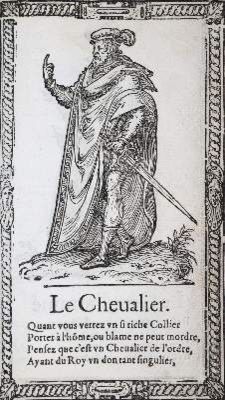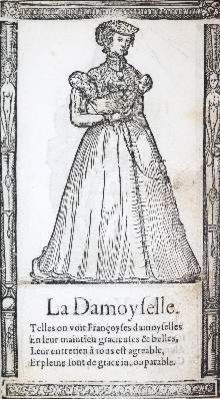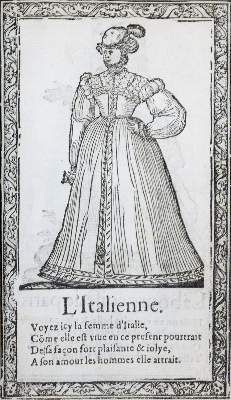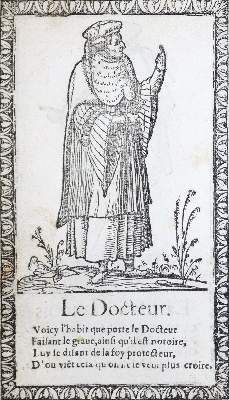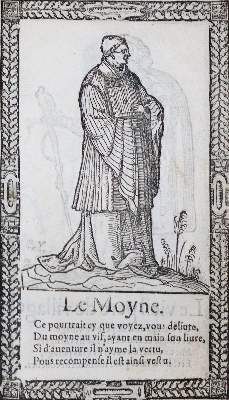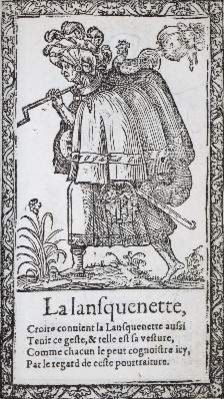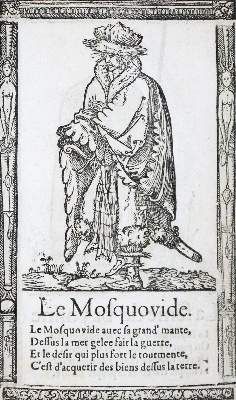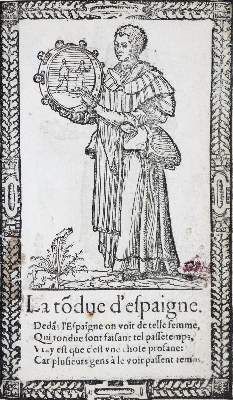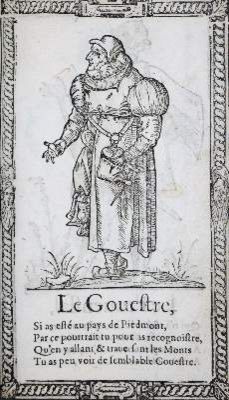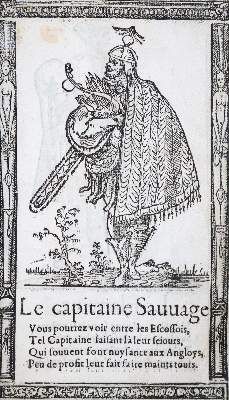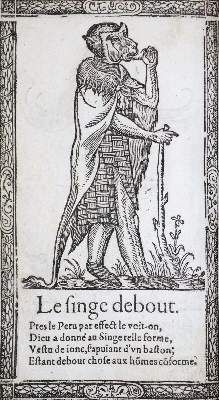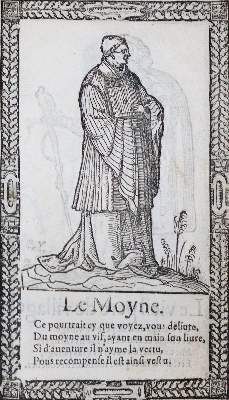

Descerpz,F.
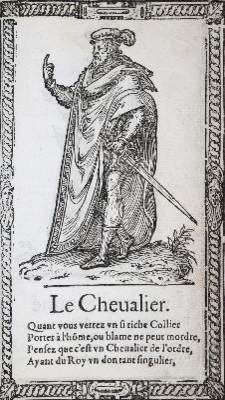
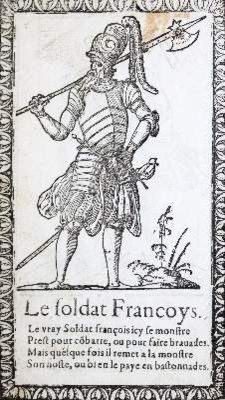
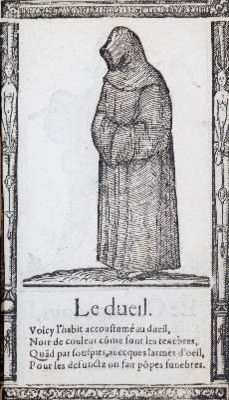
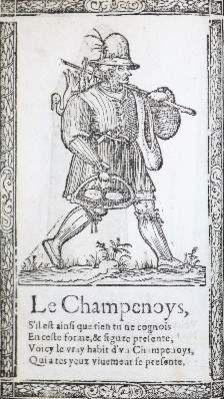
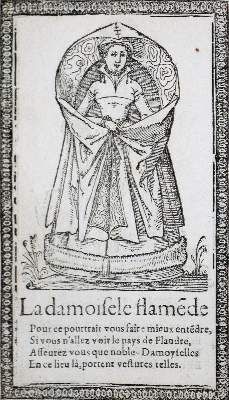
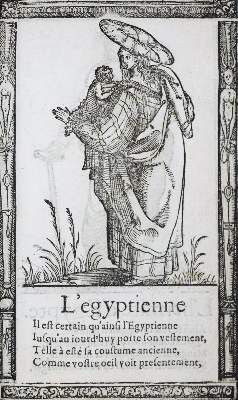
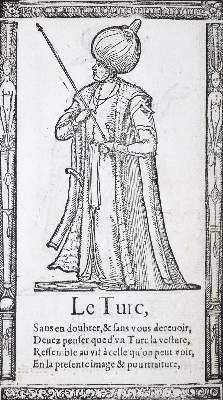
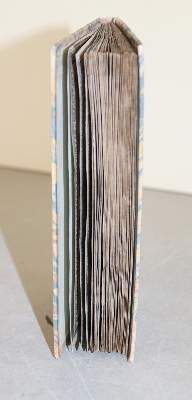
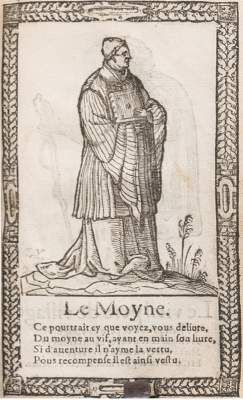
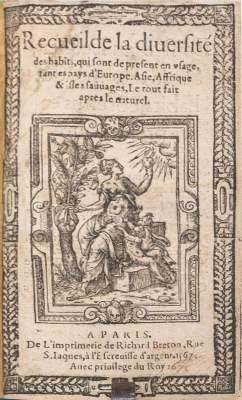
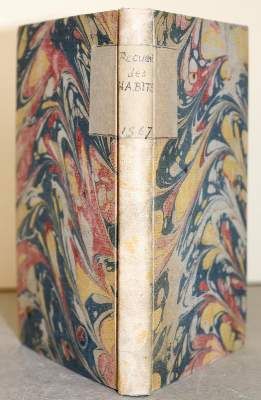
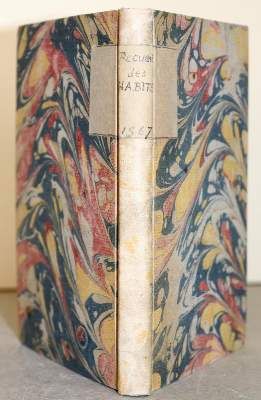
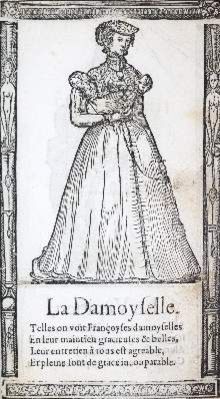
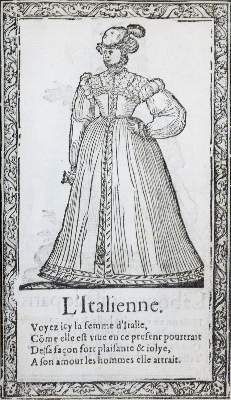
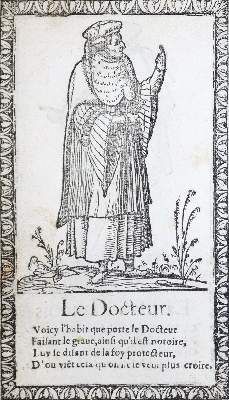
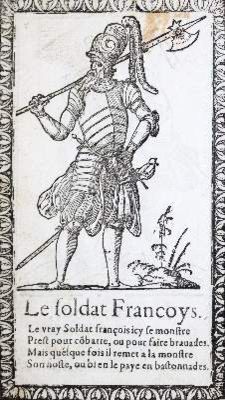
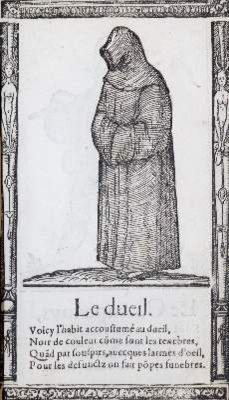
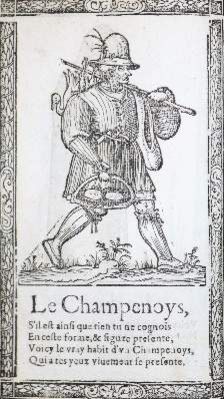
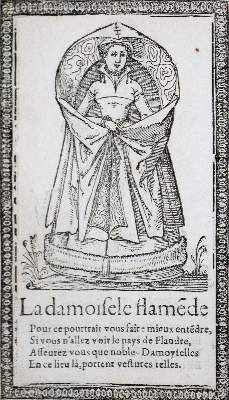
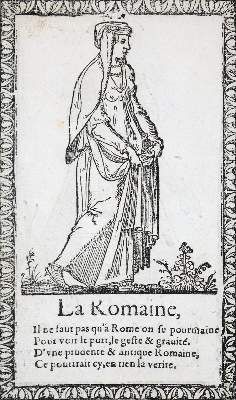
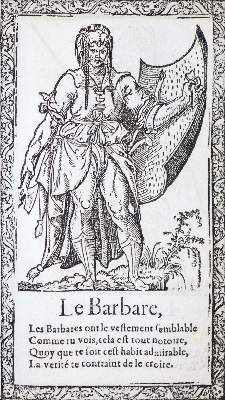
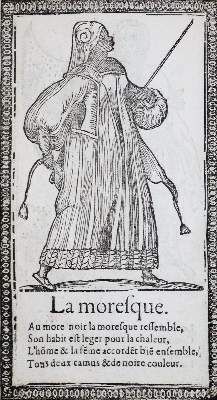
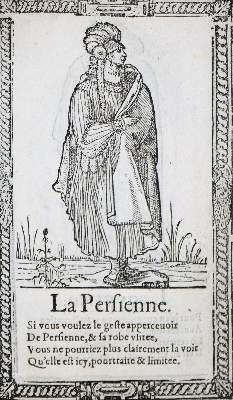
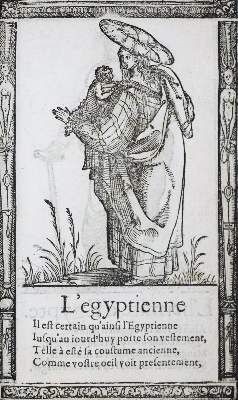
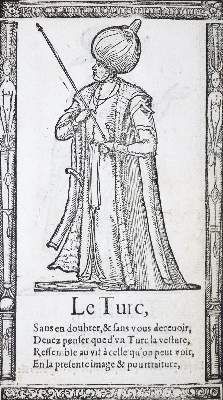
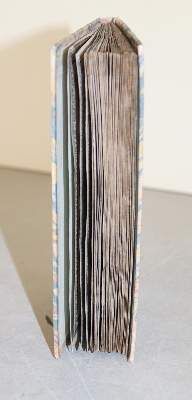
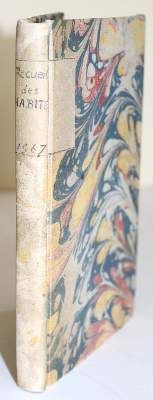
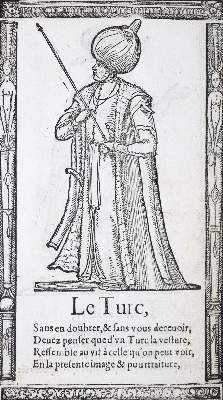
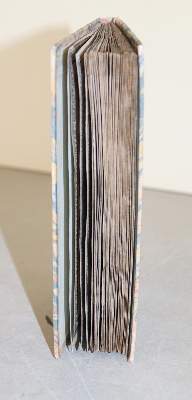
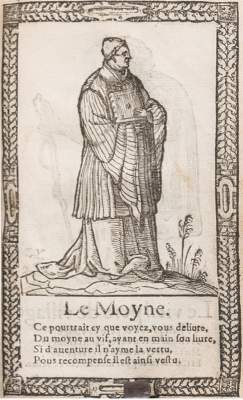
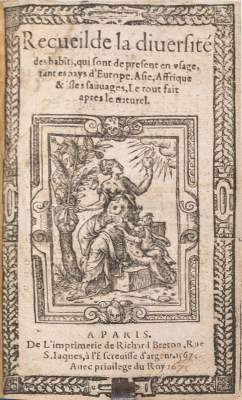
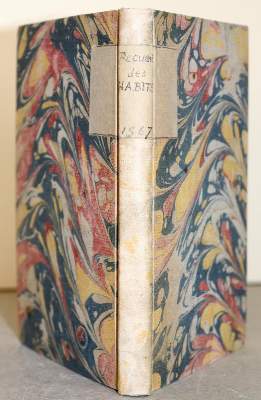
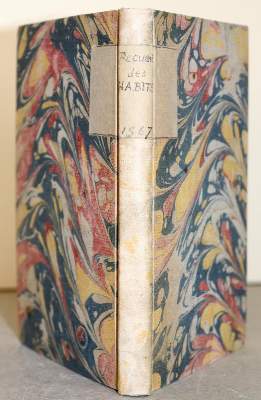
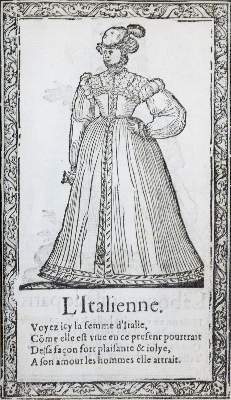
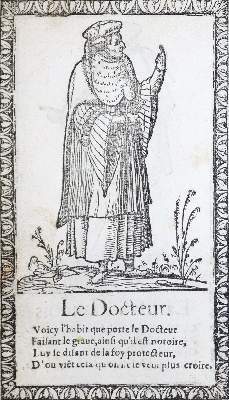
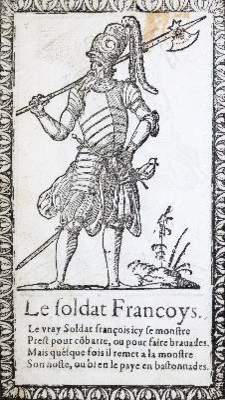
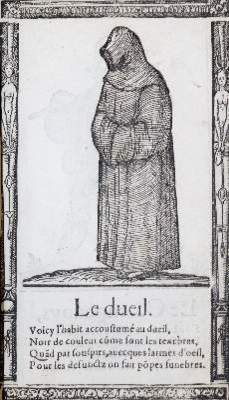
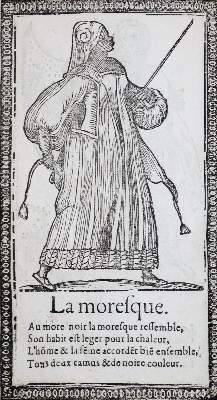
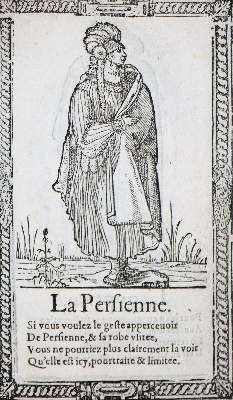
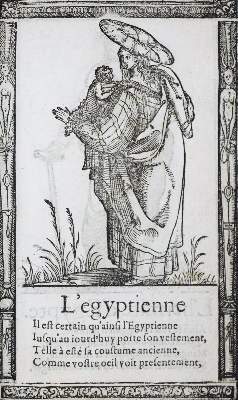
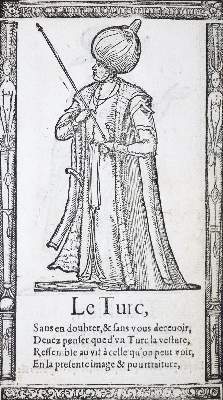
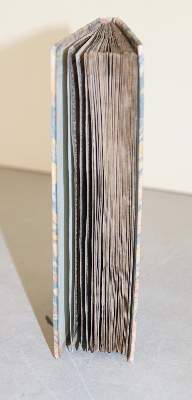
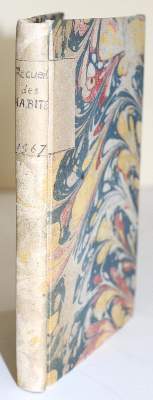
Recueil de la diversit des habits, qui sont de present en usage, tant es pays d'Europe, Asie, Affrique et Isles sauuages, Le tout fait apres le naturel. Paris, Breton 1567. 8. 125-[1] pp. 119 woodcuts (statt 121). Marmor. Pbd. d. 19. Jhdts.
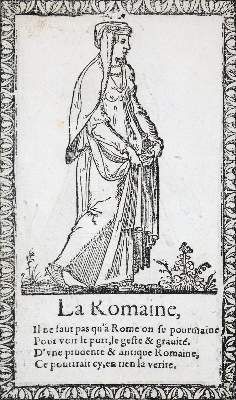
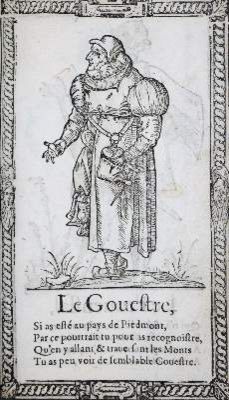
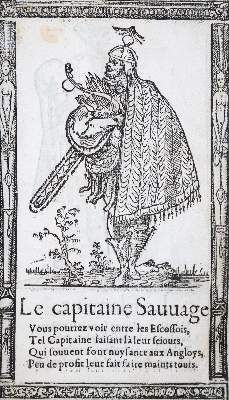
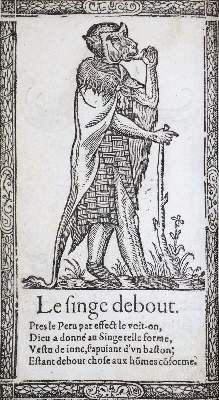
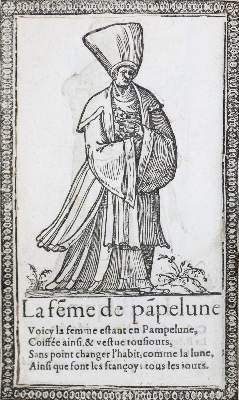
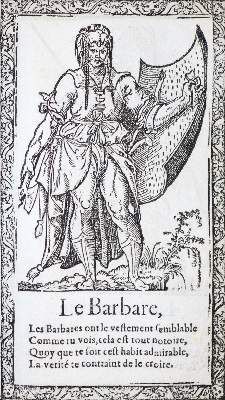
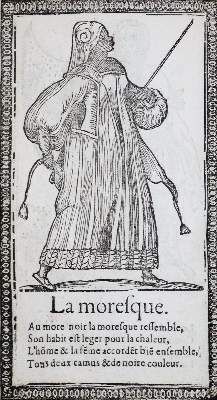
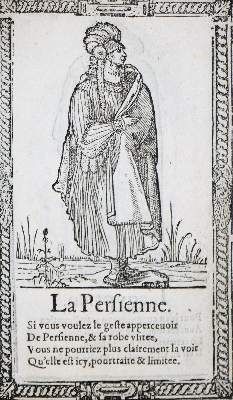
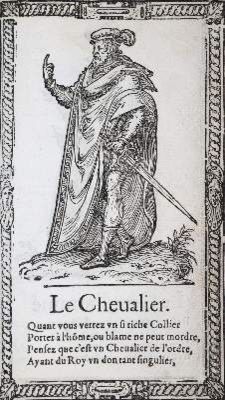
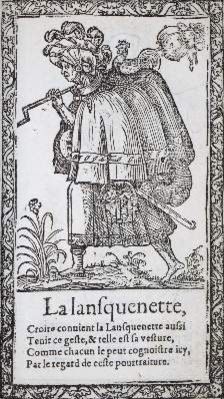
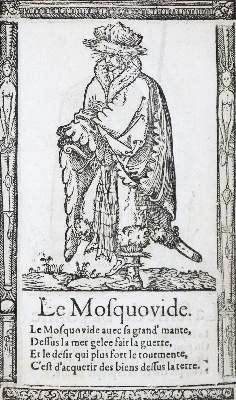
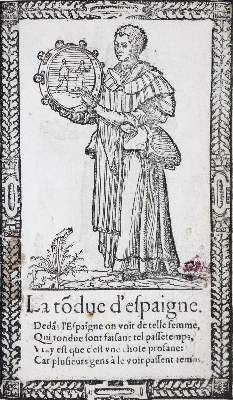
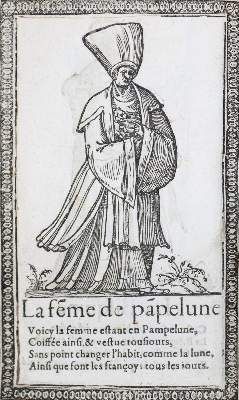
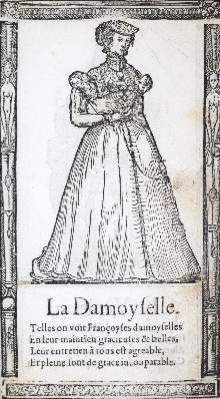
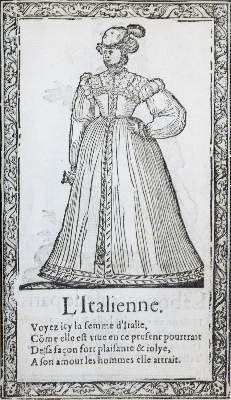
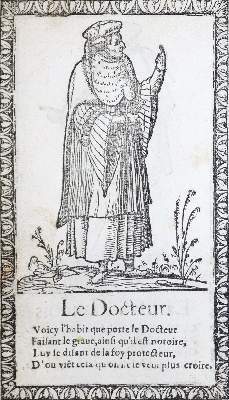
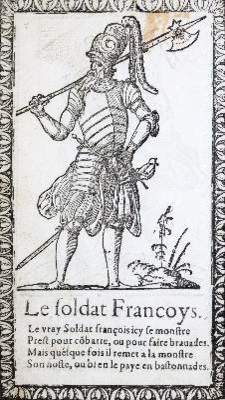
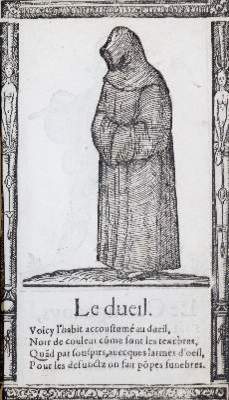
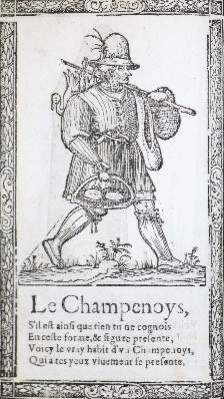
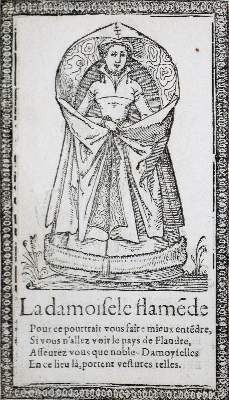
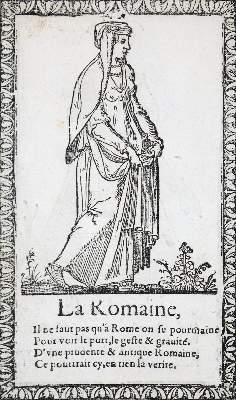
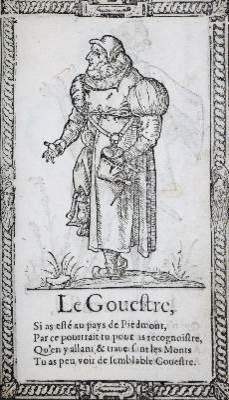
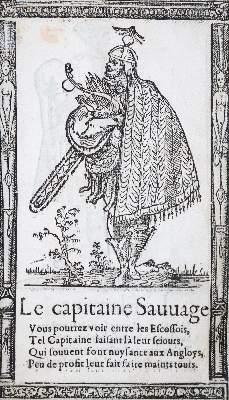
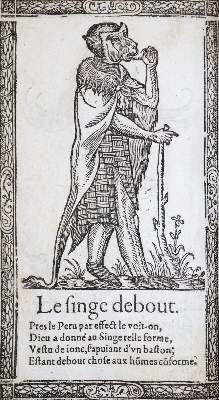
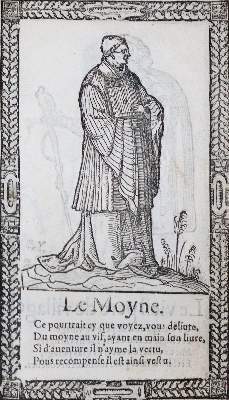
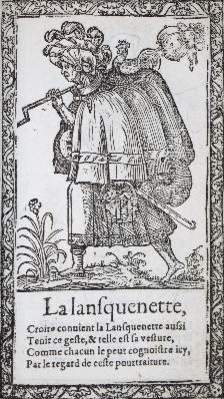
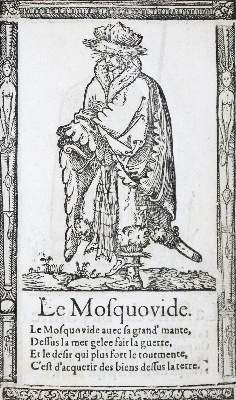
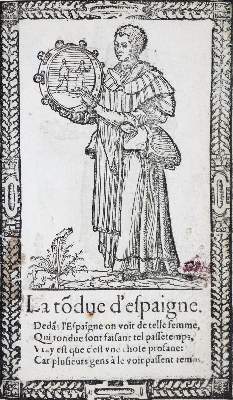
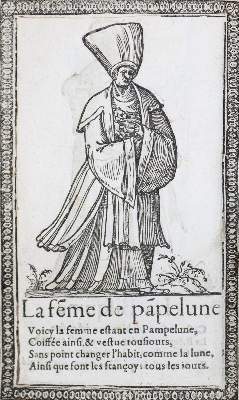
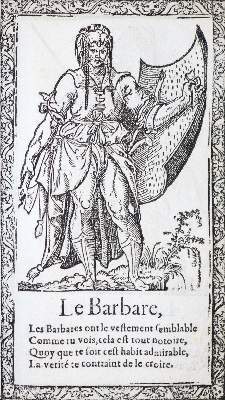
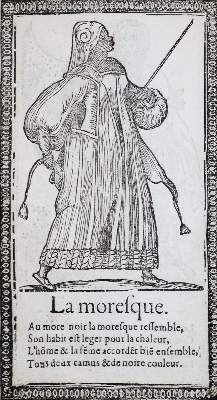
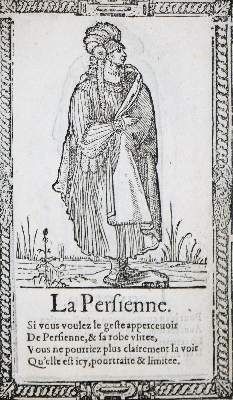
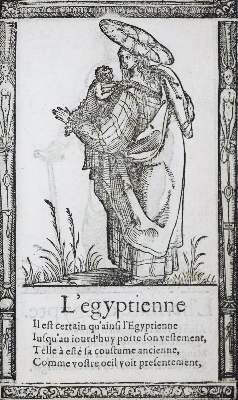
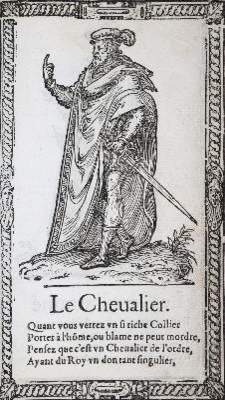
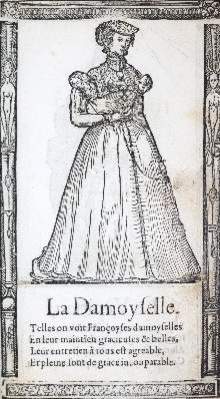
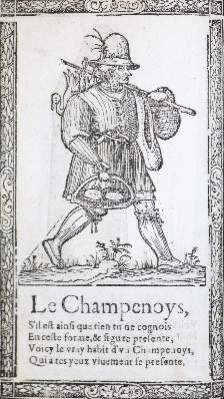
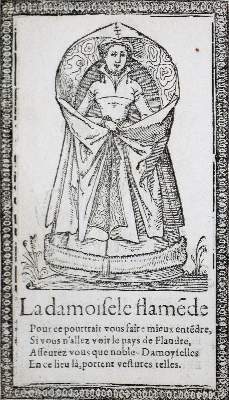
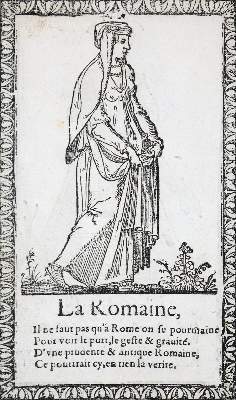
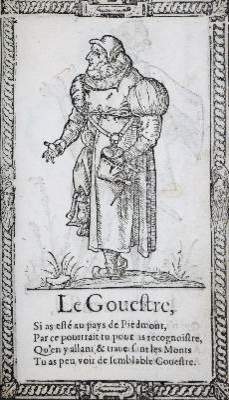
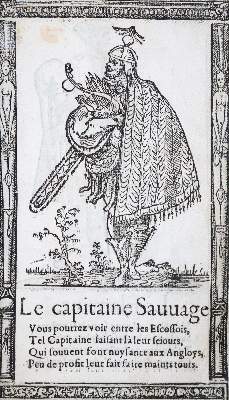
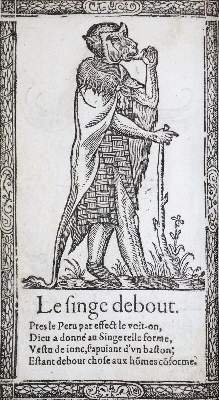
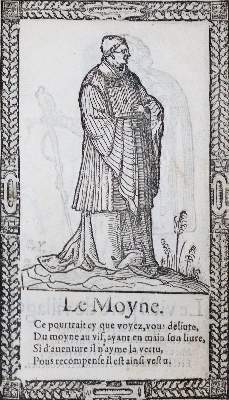
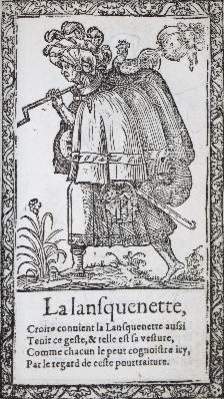
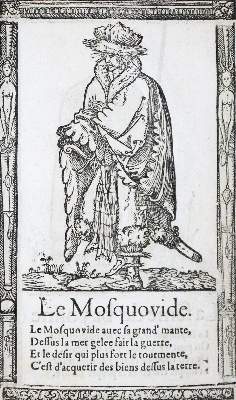
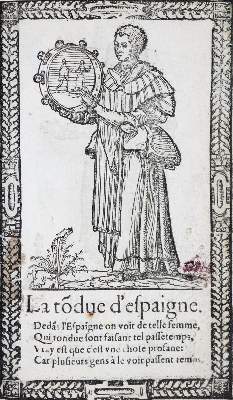
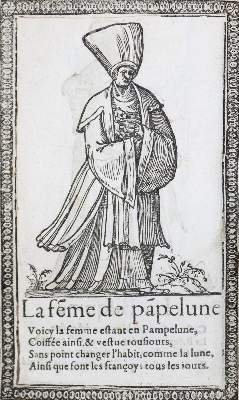
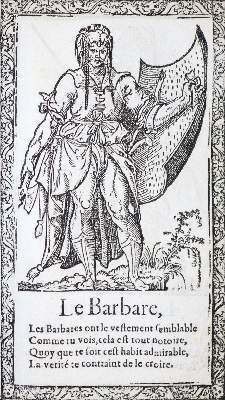
Brunet IV:1147. Colas II, 2496. Fairfax Murray French 478. Mortimer French 453. Hiler p. 233. Lipperheide Aa5. - Dritte Ausgabe dieses seltenen Kostmbuches mit dem Bretonschen Impressum. - Die erste Ausgabe von Breton aus dem Jahr 1562 wird von Colas als das erste bekannte Werk ber Kostme zitiert. Die Kostmfiguren sind so lebendig, humorvoll und lebendig, dass sie sofort an den illustrierten Pantagruel erinnern, der einst Rabelais zugeschrieben wurde und 1565 vom selben Drucker gedruckt wurde. Colas behauptet, dass Franois Descerpz, dessen Name in der Widmung an Henri de Bourbon erscheint, der Autor der beschreibenden Verse ist. Die Holzschnitte zeigen kostmierte Figuren, die auf einer Seite gedruckt und mit beschreibenden Versen versehen sind. "Zu den bemerkenswertesten Motiven gehren die Schotten und die Brasilianer. Ein weiterer Bezug zu Amerika ist mit Le Singe Debout (gefunden in der Nhe von Peru) gegeben. Es gibt auch drei groteske Figuren, die denen in den Songes Drolatiques de Pantagruel hneln, die ebenfalls von R. Breton im Jahr 1565 verffentlicht wurden" (Fairfax Murray). Borba de Moraes zufolge sind die "Tafeln des brasilianischen Mannes und der brasilianischen Frau von grter Bedeutung fr die Geschichte der brasilianischen Ikonographie. Sie sind eine der ersten Darstellungen des brasilianischen Indianers und sind offensichtlich sehr getreu (Borba de Moraes II,259). - Third edition, with the Breton imprint, of this rare costume book. Breton's first edition of 1562 is cited by Colas as THE FIRST KNOWN WORK ON COSTUME. The costume figures are so inspired with imaginative life and visual humor and vitality as to immediately recall the illustrated Pantagruel once ascribed to Rabelais, printed in 1565 by the same printer. Colas maintains that Franois Descerpz, whose name appears in the dedication to Henri de Bourbon, is the author of the descriptive verses. The woodcuts show figures in costume, printed one to a page and with descriptive verses below. "Among the more remarkable subjects may be the Scots and the Brazilians. Another reference to America is with Le Singe Debout (found near Peru). There are also three grotesque figures resembling those in the Songes Drolatiques de Pantagruel, which was published also by R. Breton in 1565" (Fairfax Murray). According to Borba de Moraes, the "The plates of the Brazilian man and woman are of the greatest importance for the history of Brazilian iconography. They are one of the first likenesses of the Brazilian Indian, and are evidently very faithful" (Borba de Moraes II:259). - Im Jahr 2013 wurde bei Christies ein Ex. (121 Holzschnitte) mit 24000,- $ versteigert.
Bildübersicht zum Artikel
Große Abbildungen zum Artikel