
Scilla,A.
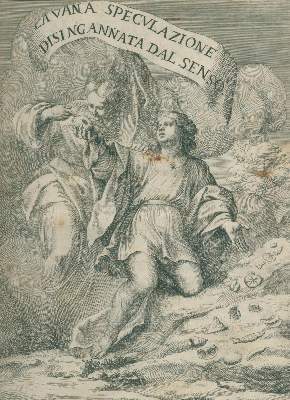
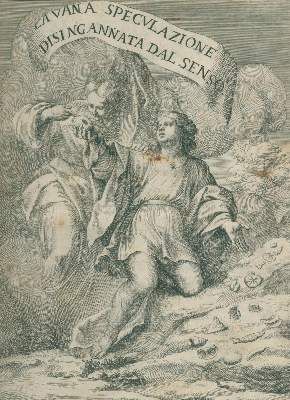
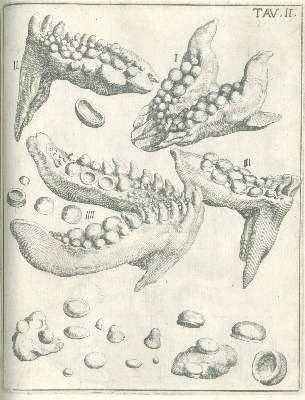
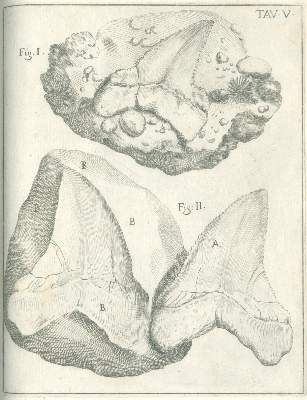
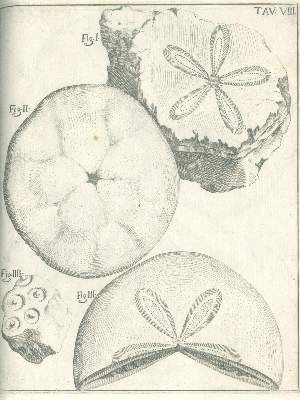
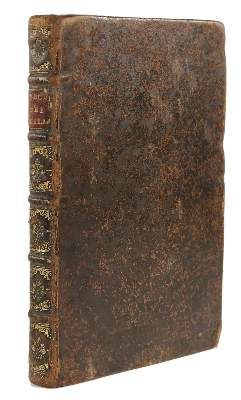
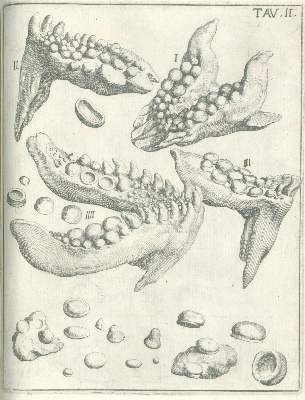
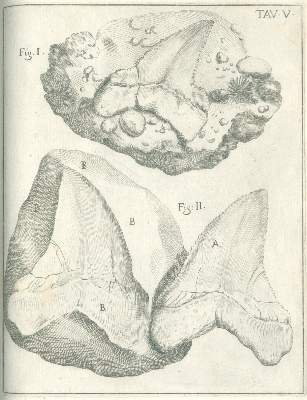
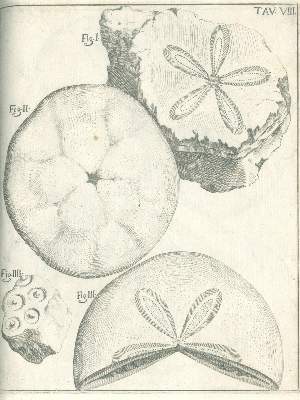
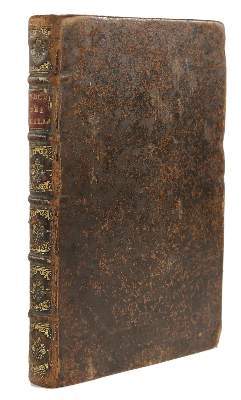
La vana speculazione disingannata dal senso. Lettera risponsiva circa i corpi marini, che petreficati si trovano in varii luoghi terrestri. Neapel, Andrea Colicchia 1670. Kl.4. Mit gest. Front. u. 29 (num. 1-28, 12 doppelt num.) Kupfertaf., vermutlich von Scilla selbst. 4 Bl., 168 S. Ldr. d. Zt. mit Rsch. u. Rverg. (Leicht berieb., Ecken etw. best.).
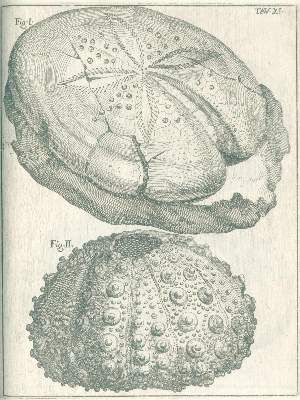
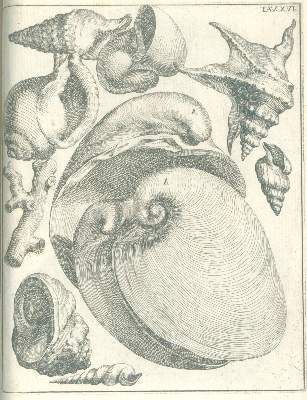
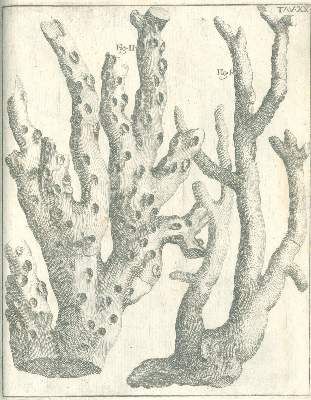
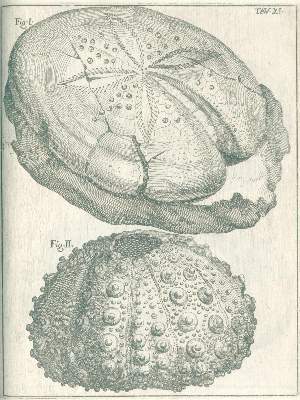
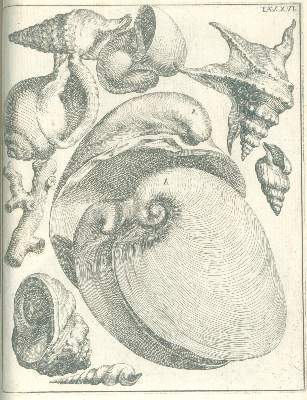
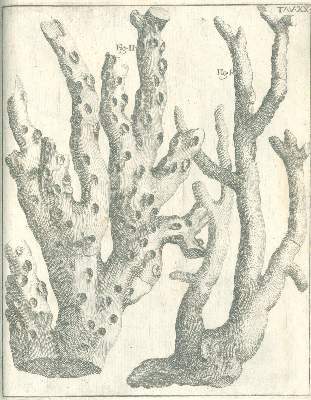
Nissen, ZBI 3780. Ward & Carozzi 2004. - Im 17. Jh. nahm die Kontroverse ber die Natur der Fossilien in den Werken von Philosophen und Naturforschern eine nie dagewesene Bedeutung an. Im Gegensatz zur traditionellen Interpretation von Fossilien als von der schpferischen Kraft der Natur erzeugte Steine, begann sich die Vorstellung durchzusetzen, dass Fossilien die berreste von Lebewesen seien. Das Werk von Agostino Scilla war eine der ersten Schriften, die den organischen Ursprung von Fossilien vertraten. Scilla, der Maler war, appellierte an die dem Knstler eigenen Qualitten der Beobachtung und Objektivitt, um die Bedeutung der empirischen Methodik zu untersttzen. Sein Text markiert einen grundlegenden Moment in der Geburt der Geologie als wissenschaftliche Disziplin, aber er ist vor allem ein exemplarisches Zeugnis fr die spekulativen theoretischen Krfte, die die Etablierung des Primats der Erfahrung in den modernen Wissenschaften untersttzten. Die Tafeln mit einigen der frhesten genauen Darstellungen von Fossilien wurden von Scilla gezeichnet und vermutlich von Pietro Santi Bartoli gestochen. Scillas bedeutende Fossiliensammlung wurde 1717 von John Woodward erworben und befindet sich heute im Sedgewick Museum of Earth Sciences in Cambridge. - - During the 17th century, the controversy over the nature of fossils took on an unprecedented importance in the works of philosophers and scholars of natural history. In contrast to the traditional interpretation of fossils as stones produced by Nature's creative capacity, the idea that fossils were the remains of living beings began to take hold. The work of Agostino Scilla was one of the first texts to advocate the organic origin of fossils. Scilla, who was a painter, appealed to the artist's own qualities of observation and objectivity to support the importance of empirical methodology. His text marks a fundamental moment in the birth of geology as a scientific discipline, but it is above all an exemplary testimony to the speculative theoretical forces that supported the establishment of the primacy of experience in modern sciences. The plates with some of the earliest accurate depictions of fossils were drawn by Scilla, and presumably engraved by Pietro Santi Bartoli. Scilla's important fossil collection was acquired by John Woodward in 1717 and is now held at the Sedgewick Museum of Earth Sciences in Cambridge. - Tls. leicht stockfleckig. Partly slight foxing.
Bildübersicht zum Artikel
Große Abbildungen zum Artikel